How To Fix A Foggy Double-Pane Window | 6 Proven Methods That Work
Why Double-Pane Windows Fog Up And What I Did About It
Dealing with cloudy glass can feel discouraging at first, but I’ve learned that you don’t have to panic when it happens. Whether you try a simple DIY method, call in a pro, or eventually decide to replace the window, there’s always a way forward. The key is understanding what’s really going on inside those panes and choosing the option that fits your situation best.
Looking back, I’m glad I took the time to figure out how to fix a foggy double-pane window, because it saved me both money and stress. Now, whenever I notice the first signs of haze, I know exactly what steps to take. If you’re facing the same problem, I hope what I’ve shared gives you the confidence to clear things up literally and get back to enjoying the view outside your windows.
Why Double-Pane Windows Fog Up
Double-pane windows, also called insulated glass units (IGUs), are built with two panes of glass separated by a sealed space. That space is usually filled with air or gas, and it helps insulate your home.
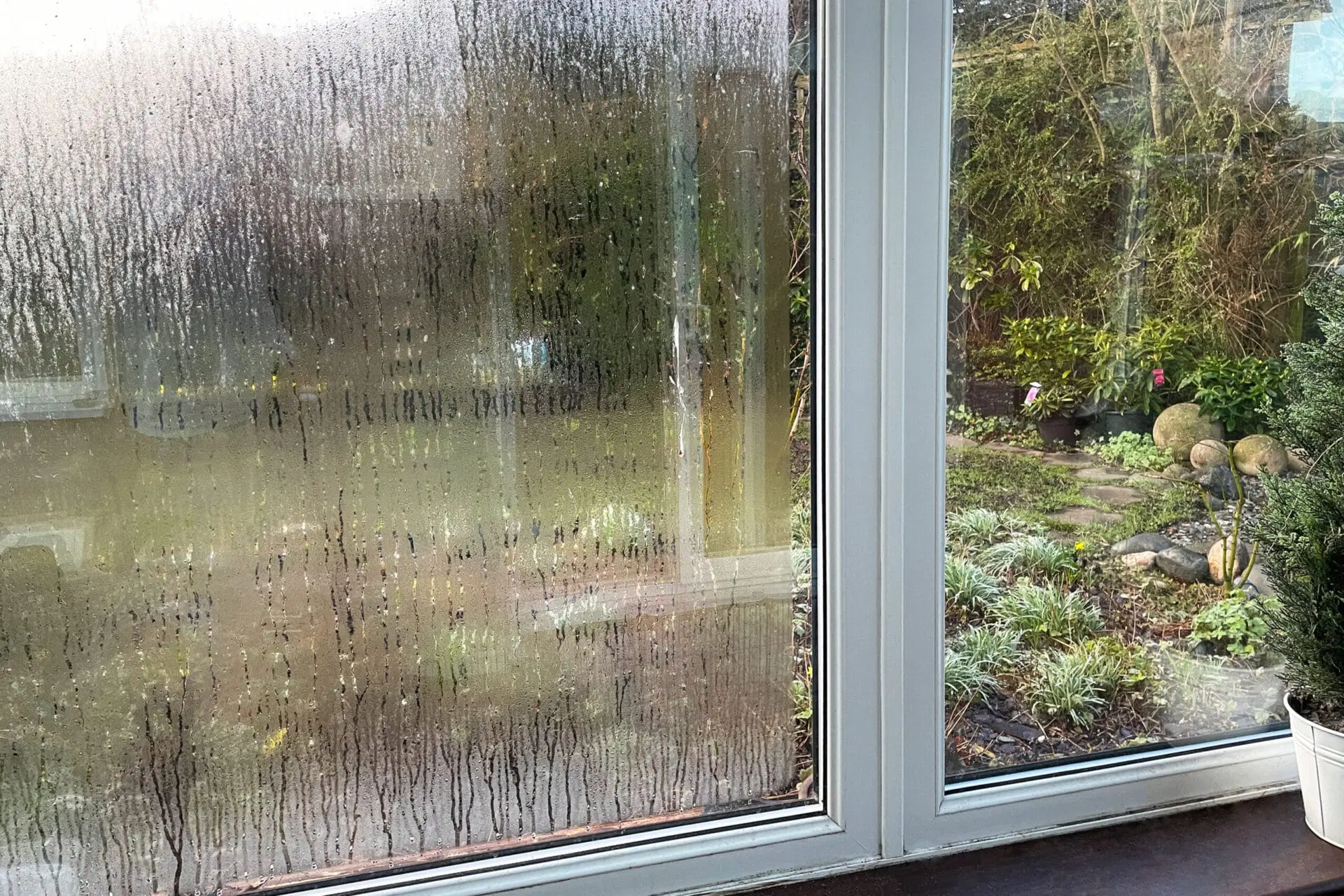
When the seal around the edges breaks down, moisture sneaks inside. Once that happens, condensation builds up between the panes. It can look like mist, fog, or even water droplets. The tricky part is that wiping the glass outside won’t help because the problem is inside the unit itself.
Temperature swings and high indoor humidity make it worse. Over time, the repeated expansion and contraction of the glass wears the seal down. That’s why older windows are more likely to fog up than new ones.
Common Causes Of Window Seal Deterioration
Through my research, I discovered that window seals don't just fail randomly. Several factors contribute to this problem:
- Age and Temperature Changes: Most window seals start showing problems after 15-20 years. The constant expansion and contraction from temperature changes gradually weakens the sealant material.
- Poor Installation: Windows that weren't installed correctly from the start are more likely to develop seal problems early. That’s why I chose affordable house windowswith good quality and proper installation it really helped prevent future fogging.
- Water Exposure: Continuous moisture exposure, especially around the bottom edges where water can pool, accelerates seal breakdown. I noticed this was particularly true for my kitchen window, which got a lot of steam exposure.
- Manufacturing Quality: Not all windows are created equal. Lower-quality seals and spacer materials simply don't last as long as premium alternatives.
Signs Your Window Seal Has Failed Vs. Normal Condensation
This distinction is crucial because it determines whether you're dealing with a simple condensation issue or actual seal failure. Here's how I learned to tell the difference:
- Seal Failure Signs: The moisture appears between the glass panes and won't wipe away from either side. You might also notice mineral deposits or a cloudy film that gets worse over time. Sometimes the glass panes will bow slightly inward or outward due to pressure changes.
- Normal Condensation: This appears on the room-facing surface of the window and can be wiped away easily. It usually happens during temperature changes and typically clears up when conditions normalize.
Can A Foggy Double-Pane Window Really Be Fixed?
This is the first question I asked myself when I noticed my windows getting cloudy. The short answer? Yes, but with limits.
If you just want the glass to look clear again, there are DIY and professional methods that can help. But if you want the window’s energy efficiency back the insulation value you usually need to replace the glass or the whole window. Once the seal is gone, it can’t really be “restored” to its original factory state.
Proven Methods To Fix Foggy Double-Pane Windows
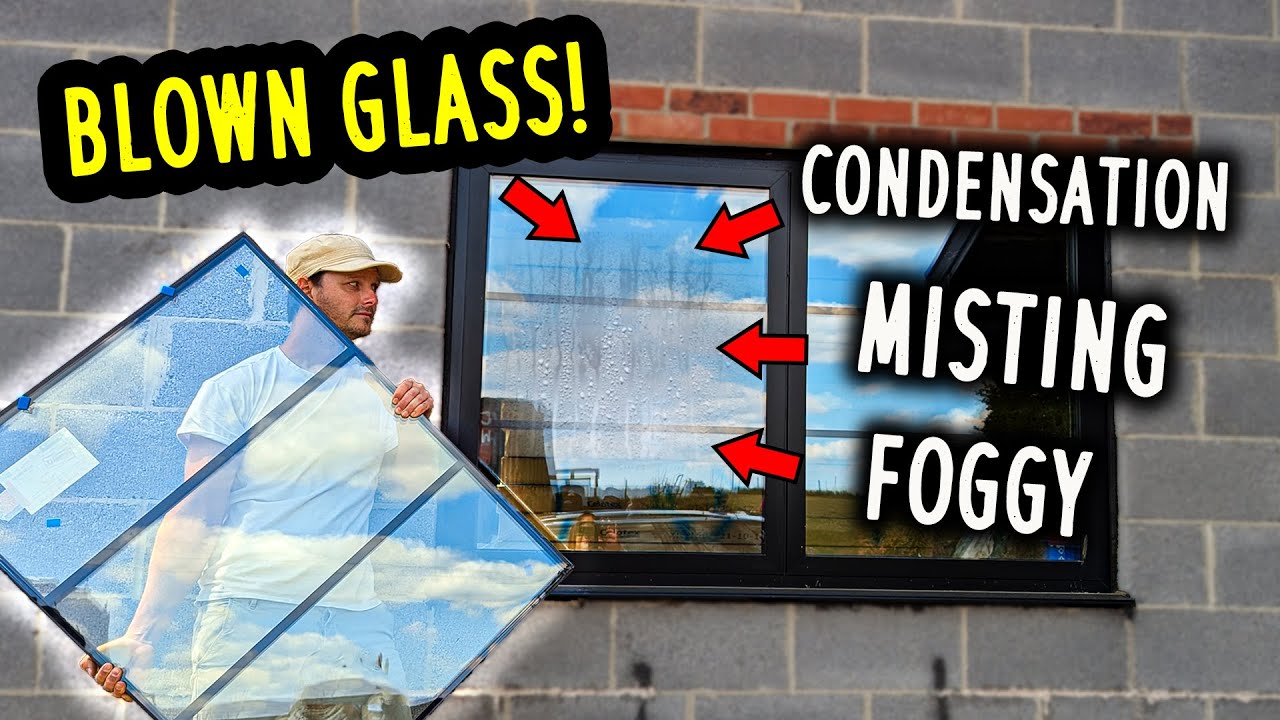
Fix Foggy Windows Yourself – Easy DIY Glazing Repair
Method 1: Professional Window Defogging (Most Cost-Effective)
When I first got quotes for my window problem, professional defogging came in as the most affordable option at around $75-150 per window. Here's how this process works:
A technician drills tiny holes in the outer glass pane one at the top and one at the bottom. They then use these holes to remove the trapped moisture and clean the interior surfaces. The holes are sealed with a special valve that prevents future moisture intrusion while allowing for pressure equalization.
What I liked about this approach: It's relatively quick, doesn't require removing the window, and costs significantly less than replacement options.
The reality check: This is essentially a cosmetic fix. While it clears up the fogging, it doesn't restore the window's original insulating properties because the argon gas is gone and can't be replaced through this method.
Method 2: DIY Defogging Process (Budget-Friendly)
I'll be honest, I was tempted to try this myself until I understood the risks involved. The DIY approach follows the same basic process as professional defogging, but you're doing the drilling and cleaning yourself.
You'll need a carbide-tipped drill bit, cleaning solution, a desiccant, and steady hands. The process involves drilling precise holes without cracking the glass, then using the holes to clean the interior space and remove moisture.
Safety warning from my research: Glass drillingrequires specific techniques and safety equipment. One wrong move can shatter the entire pane, turning a $100 repair into a $400+ replacement job. If you're not comfortable working with glass or don't have the right tools, this isn't the route to take.
Method 3: Window Sash Replacement (Best Value)
This option surprised me with its practicality. Instead of replacing the entire window, you replace just the sash, the part that holds the glass. For many newer windows, manufacturers sell replacement sashes that fit perfectly into existing frames.
The process involves measuring your current sash, ordering a replacement, and installing it. Generally, window seal repair costs range from $70 to $120 per window. However, sash replacement typically runs $200-400 per window, which is still much less than full replacement.
Why this appealed to me: You get a completely new sealed unit with fresh argon gas and intact seals, but you keep your existing frame and hardware. It's like getting 80% of the benefits of a new window at 40% of the cost.
Method 4: IGU (Glass Unit) Replacement (Long-Term Solution)
IGU stands for Insulated Glass Unit, which is the fancy term for the sealed glass assembly in your window. Replacing just the IGU means keeping your frame and replacing everything else the glass, the spacers, the seals, and the gas fill.
This approach gives you back full thermal efficiency because you're getting a completely new sealed system. The cost typically runs $150-300 per window, depending on size and glass specifications.
The challenge: Finding a contractor who does IGU replacement can be tricky. Many prefer to sell complete window replacement instead because it's more profitable for them.
Method 5: Complete Window Replacement (Ultimate Fix)
Sometimes the frame is damaged, or the window is so old that replacement makes the most sense. The only way to fix a window with a broken seal is by replacing the window or opening it up for a seal repair job. New windows cost $400-800+ per window but come with warranties and modern energy efficiency features.
When replacement makes sense: If your windows are over 20 years old, the frames show damage, or you're dealing with multiple seal failures throughout your home.
Method 6: Temporary Solutions For Minor Fogging
For mild fogging that comes and goes, especially if it's seasonal, some temporary measures can help manage the problem:
Using a dehumidifier near problem windows can reduce the moisture that feeds the fogging. A dehumidifier helps remove water from the air. Improving ventilation with exhaust fans also helps control humidity levels.
These approaches won't fix failed seals, but they can slow down the progression and buy you time to plan for proper repairs.
Cost Analysis
Comparing Short-Term Vs. Long-Term Costs
Let me break down the real costs based on what I learned during my research:
- Defogging: $75-150 upfront, but expect to repeat the process every 2-5 years as seals continue to deteriorate. Over 10 years, you might spend $300-600 per window.
- Sash/IGU Replacement: $200-400 upfront with 10-20 year expected lifespan. Total cost over 20 years: $200-800 per window.
- Full Replacement: $400-800+ upfront with 20-30 year expected lifespan. Long-term cost per year is actually quite reasonable when you factor in energy savings.
When Professional Service Pays Off
I discovered that professional installation becomes critical when you're dealing with:
- Windows over $300 in value
- Complex window shapes or sizes
- Energy-efficient glass with special coatings
- Windows that are difficult to access
The labor cost is usually worth it to avoid the risk of breakage and ensure proper installation.
Hidden Costs To Consider
Don't forget about:
- Potential energy bill increases from reduced insulation (with defogging)
- Multiple service calls if DIY attempts fail
- Interior damage if things go wrong during installation
- Permit costs for full window replacement in some areas
DIY Vs. Professional: Making The Right Choice
Safety Considerations For DIY Repairs
Working with glass requires specific safety equipment and techniques. During my research, I learned that even experienced DIYers recommend against drilling glass without proper training. The risk of injury from glass shards and the high likelihood of cracking the pane make this a job where professional expertise pays for itself. While reading about window designs in celebrity homes and architecture, I noticed how much care goes into high-end installations proof that some jobs are worth leaving to the pros.
Tools And Skills Required
For DIY defogging, you'll need carbide-tipped drill bits, variable-speed drill, safety equipment, cleaning solutions, and desiccants. More importantly, you need steady hands and experience working with glass.
For sash replacement, the skill level is more manageable if you're comfortable with basic home repairs and can handle precise measurements.
When To Call A Professional
Over time, I’ve learned that not every window problem is a good DIY project. Some situations are better handled by a professional, both for safety and to make sure the repair lasts. Here are the times I personally choose to bring in an expert:
1. If The Window Is Hard To Reach
I once tried to clean a foggy window on the second floor of my house, and balancing on a ladder with tools in my hand was not fun or safe. Now, if the window is in a spot that’s difficult or risky to reach, I don’t take chances. A professional has the right equipment to do the job safely.
2. If You Are Not Comfortable Working With Glass
Glass looks solid, but it can be fragile. I’ve had moments where I worried about cracking the pane while trying to fix it myself. If I feel unsure or nervous about handling the glass, I let a pro take over. It saves me stress and avoids the risk of making the problem worse.
3. The Window Has Special Coatings Or Features
Some modern windows aren’t just plain glass they might have energy-saving coatings, tints, or even built-in blinds. I once tried to clean one of these and realized I was out of my depth. After that, I decided to contact the best window companiesin my area, who had the right tools and experience to handle these specialty windows safely.
4. Multiple Windows Need Repair
Fixing one window is one thing, but when I noticed several of mine fogging up at the same time, I quickly realized it was too much to handle alone. Hiring a professional for multiple repairs not only saved me time but also ensured all the windows were sealed and fixed correctly.
5. The Frame Shows Signs Of Damage
A foggy pane is one problem, but a damaged frame is another. I once saw a small crack in the frame around my window, and I knew that fixing the glass alone wouldn’t be enough. In cases like that, I always call a professional because repairing frames requires skill and the right tools.
Preventing Future Fog (Maintenance Tips That Work)
After going through the headache of foggy windows, I promised myself I’d do everything I could to stop it from happening again. Over time, I picked up a few habits and simple maintenance routines that really make a difference. Here’s what I focus on now:
Controlling Environmental Factors
I learned that a lot of window fogging comes down to what’s happening inside the house. For example, if the air inside is too humid, that extra moisture puts more pressure on the seals. These days, I try to keep indoor humidity between 30-50%. Running exhaust fans in the kitchen while cooking and in the bathroom during showers helps a lot.
Temperature swings are another big factor. I used to crank the heat in winter and blast the AC in summer, not realizing that extreme changes stress the window seals. Now, I try to keep temperature shifts gradual, which makes the seals last longer.
Regular Inspection Routine
I used to wait until a problem showed up before looking at my windows closely. Now, I check them twice a year, usually in spring and fall. During these checks, I look for:
- Any signs of fogging or condensation between panes
- Cracks or gaps in the sealant around the edges of the glass
- Water stains or mineral deposits near the frame
- Warping or bowing of the glass panes
- Damaged or worn weatherstripping
Catching small issues early has saved me from bigger, more expensive problems later.
Extending The Life Of Window Seals
I’ve also found that little things add years to my window seals. For one, I clean the glass regularly but avoid harsh chemicals that can break down the sealant. I make sure window tracks are clear and lubricated so water drains properly instead of sitting there.
Outside, I keep an eye on the caulking around the frames. If it starts to peel or crack, I fix it right away to keep moisture out. I even added awnings over some windows to shield them from direct rain and harsh sunlight. Small steps like these have made a big difference in keeping my windows clear.
People Also Ask
What Causes Double-pane Windows To Fog Up?
Foggy windows happen when the seal between the two panes fails, allowing moisture to get trapped inside. Temperature swings and high indoor humidity can make the problem worse.
Can I Fix A Foggy Double-pane Window Myself?
Yes, there are DIY methods like defogging kits, drilling small holes, or using desiccants, but these often provide temporary results. Permanent fixes usually involve replacing the glass or the whole window.
Can Weather Conditions Affect When I Should Schedule Window Repairs?
Yes, moderate temperature and humidity conditions are ideal for seal repairs and installations. Avoid extremely hot, cold, or humid days when possible, as these conditions can affect sealant curing and make installation more challenging.
How Can I Prevent My Windows From Fogging Again?
Controlling indoor humidity (30-50%), using exhaust fans, maintaining seals and caulking, cleaning regularly, and protecting windows from extreme weather can all extend the life of your windows and reduce fogging.
Are Foggy Double-pane Windows Covered By Warranty?
Many newer windows come with 10-20 year warranties that cover seal failures. Check your manufacturer’s warranty to see if your windows qualify for free repair or replacement.
Final Thoughts
Foggy windows can be frustrating, but they’re not the end of the world. Once you understand the cause, you can decide whether a DIY fix, professional repair, or full replacement makes the most sense.
I’m glad I learned how to fix a foggy double-pane window, because it saved me time, money, and stress. With the right approach, you can clear up the haze and enjoy your view again. If you’re dealing with this problem now, don’t wait; start with a simple fix today and see how much clearer your windows (and peace of mind) can be.